Scottish clan
Clan Mackenzie
Gaelic name Clann Choinnich
A Highland clan of Kintail and Ross-shire whose chiefs became Earls of Seaforth and Earls of Cromartie. The chiefship was effectively dormant from 1907 until the Lord Lyon recognised the Earl of Cromartie in 1980, and the seat is Castle Leod near Strathpeffer. The clan tartan is dated 1778 in the Scottish Register of Tartans and shares its pattern with the MacLeod tartans.
- Region
- Kintail, Ross-shire, Wester Ross
- Historic seat
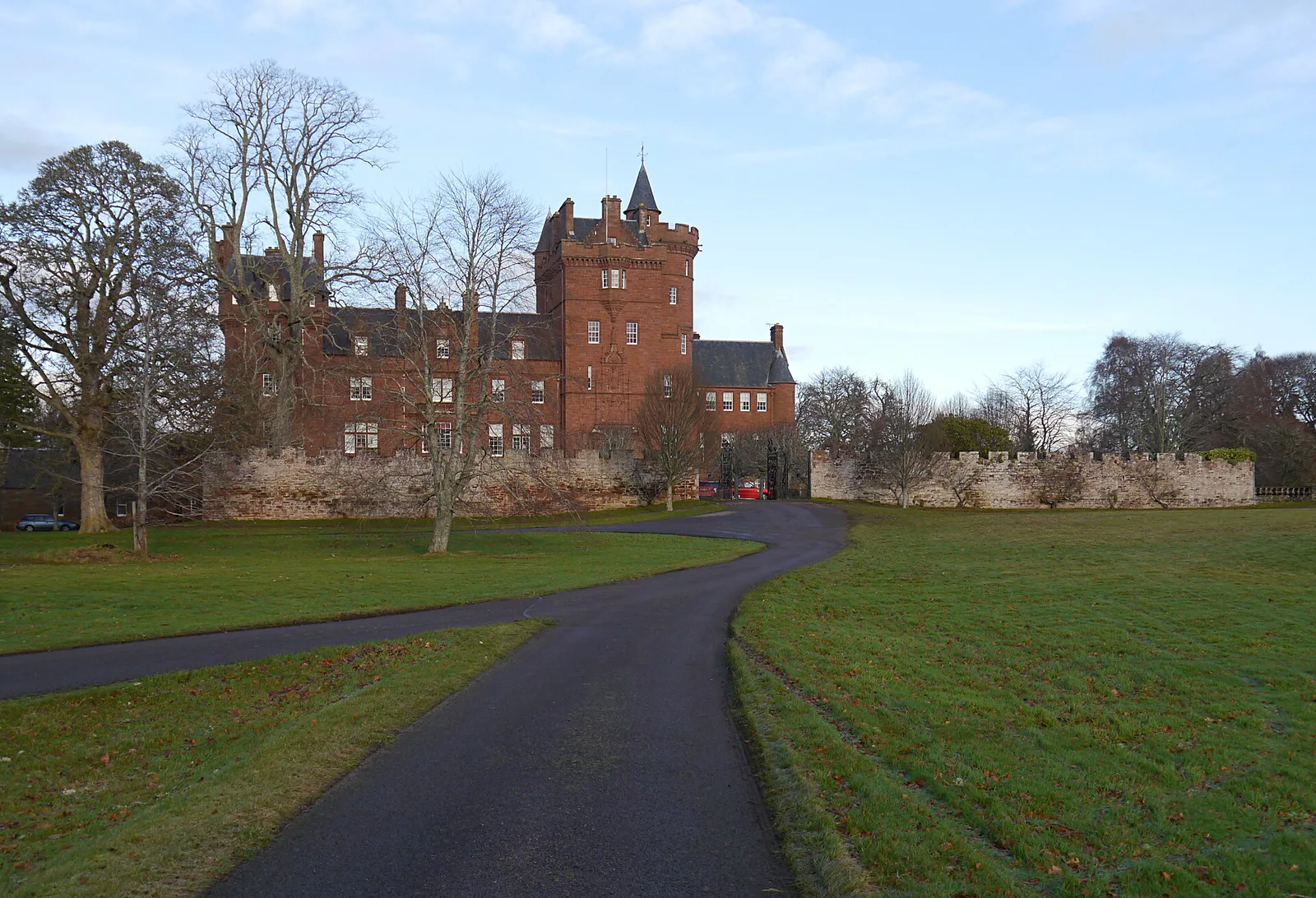
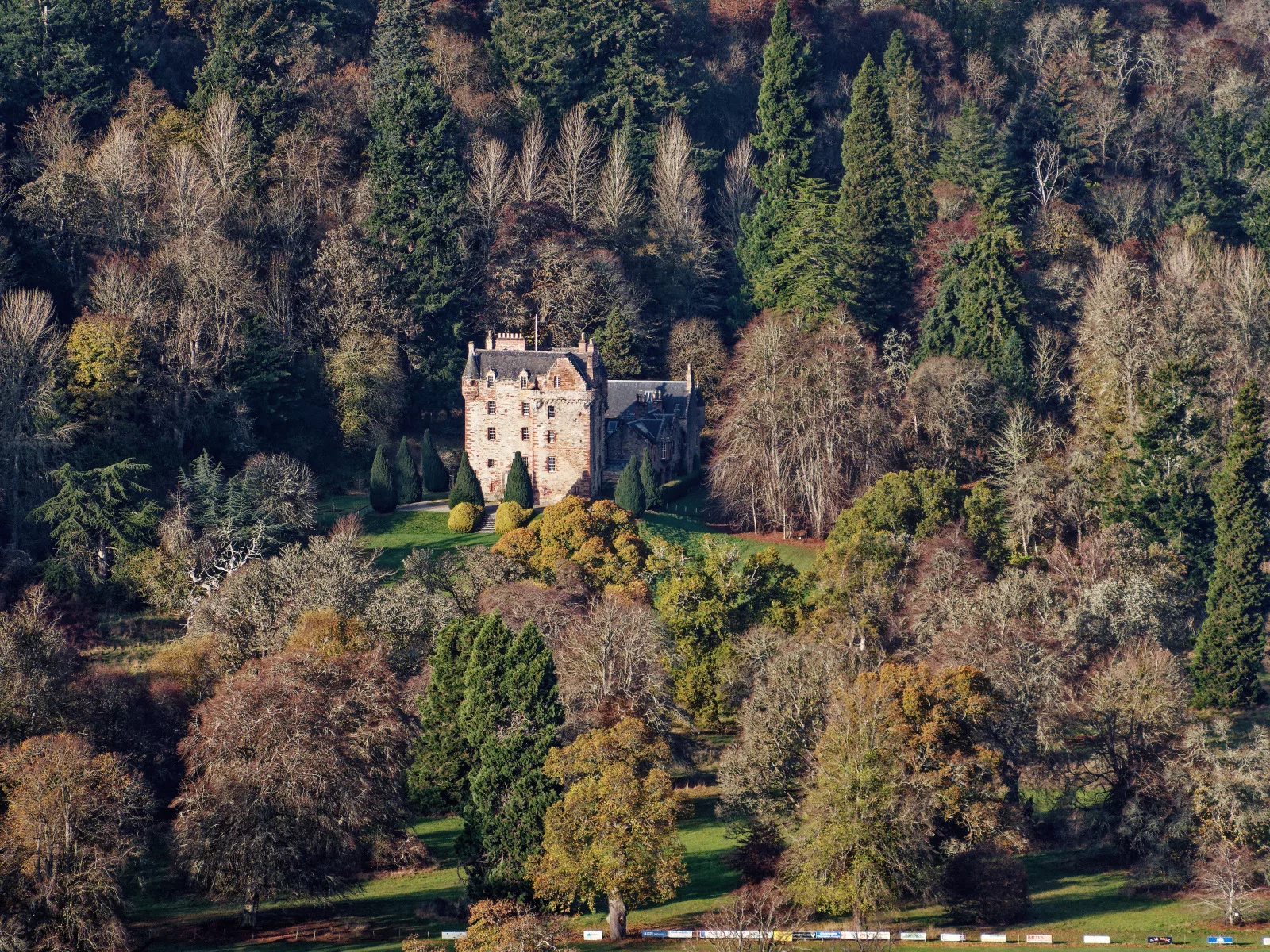
- Castle Leod
- Motto
- Luceo non uro
- Linked tartans
- 1
- Linked surnames
- 1
- Evidence level
- C
Overview
Clan Mackenzie belongs to Kintail on the west coast of Ross-shire and, from the sixteenth century, to Castle Leod near Strathpeffer. According to the Clan Mackenzie Society the chief is John Ruaridh Grant Mackenzie, 5th Earl of Cromartie. The Lord Lyon recognised his father, Roderick, as chief on 12 June 1980, after a gap that the society dates from 1907. The motto is "Luceo non uro", "I shine, not burn", and the crest is a mount in flames.
The clan name and the surname are the same word, which causes confusion. The Standing Council of Scottish Chiefs treats everyone who shares the chief's surname as a member of the clan, but it describes that as a presumption of membership, not a record of descent, and the chief may accept or refuse a claim.
The Scottish Register of Tartans record for Mackenzie notes that the original chiefly line of Kintail ended and that the Mackenzies of Cromarty were later recognised as chiefs.
Origins
The first Mackenzies are not documented well enough to settle where they came from. Wikipedia's article on the clan sets out two accounts: descent from Gilleoin of the Aird, a Gaelic figure of the early twelfth century, and descent from a thirteenth-century Kermac Macmaghan. Older family histories gave the line a Fitzgerald ancestor, and the article says that was dropped when newer evidence appeared. None of these accounts was traced to a primary record here.
The name is Gaelic. The clan's Gaelic name is Clann Choinnich, and the surname is the patronymic MacCoinnich, "son of Coinneach". The clan society does not push the chiefship that far back. It says Alexander the Upright, in the fifteenth century, may have been the first Mackenzie chief in the true sense, because the Kintail line before him is thin: few of its heads left several sons, and Alexander was apparently the first to leave enough male descendants to form the beginnings of one kindred.
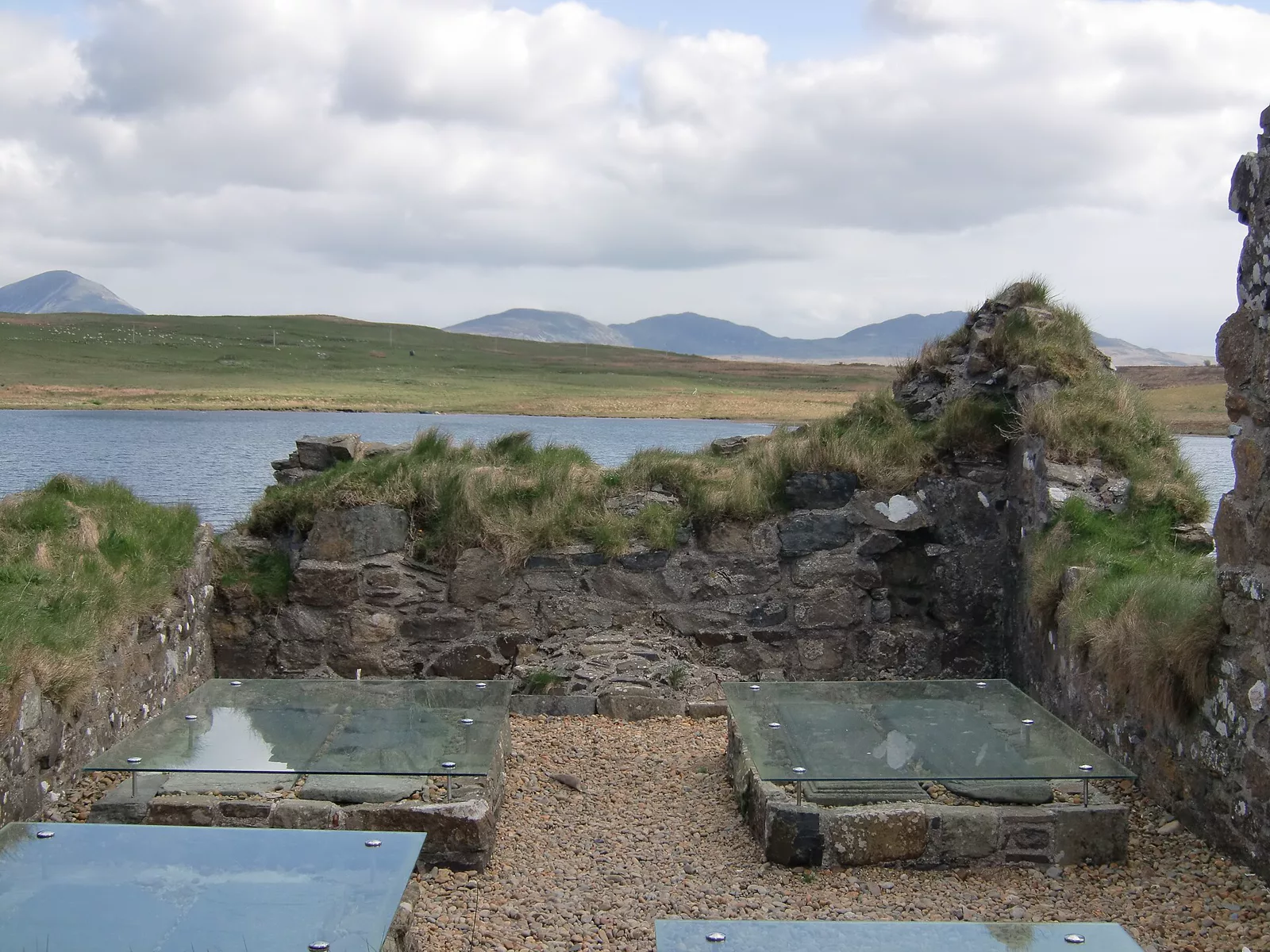
Kintail is the country most closely linked to the clan. Wikipedia says the early stronghold was Eilean Donan, held with the MacRaes as constables.
Development
The clan's rise in rank came in the seventeenth century. Wikipedia gives 3 December 1623 as the creation of the earldom of Seaforth, and 7 May 1716 as the date the fifth earl was declared forfeit after the 1715 rising. A later Earl of Seaforth raised a regiment in 1778, and the register records the Mackenzie tartan as the regimental tartan of that unit, the Seaforth Highlanders.
In 1745 the clan split. Lord Fortrose raised Independent Highland Companies for the government, while his cousin George, 3rd Earl of Cromartie, joined the Jacobites and was captured and forfeited. The society's account of Castle Leod, the Cromartie seat, says the estate was restored to his son in 1784.
The chiefship itself had a long gap. The society says the elder line ended with Lord Seaforth's death in 1815 and the chiefship was effectively dormant after 1907 until 1980. The register's own note on the Mackenzie tartan says only that the original line of Kintail ended and the Mackenzies of Cromarty were later recognised as chiefs.
Castle Leod is harder to date than its reputation suggests. The Highland Historic Environment Record quotes conflicting accounts and says it is unclear whether the 1616 date on a dormer marks the original building or an alteration. The society says Sir Roderick Mackenzie of Coigach, who married Margaret MacLeod in 1605, extended and remodelled it in 1606, and that John of Killin, 10th chief, had been granted the lands earlier.
The Highland Historic Environment Record says one dormer at Castle Leod bears the date 1616 but that it is unclear whether this dates the original building or an alteration, and that accounts of the castle's age conflict.
Tartans
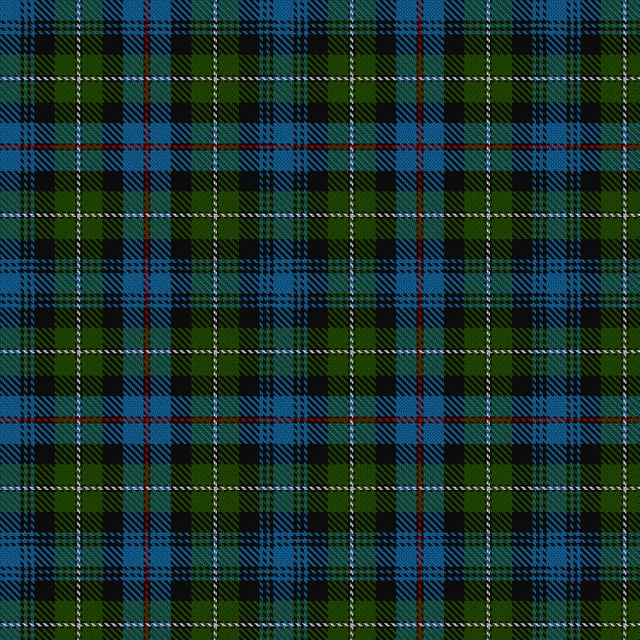
One clan tartan is linked to Clan Mackenzie on this site: Mackenzie, Scottish Register of Tartans reference 267, classed Clan/Family and dated 1778. The register records it as the regimental tartan of the Seaforth Highlanders, raised by the Earl of Seaforth in that year, and notes that its pattern is the same as the MacLeod tartans. The record also lists the pattern in Wilson's 1819 pattern book, in W. and A. Smith's The Clan and Family Tartans of Scotland (1850) and in Clans Originaux (1880), and says a threadcount was recorded by Kenneth F. Mackenzie in the Public Register of All Arms and Bearings in Scotland in 1949.
Two cautions apply. A regimental date of 1778 shows military use of the pattern, not that it was a clan tartan from the start. And a register search for "mackenzie" returns twelve entries, including dress and hunting versions, but none called Ancient or Modern. The register does not say who designed the main pattern.
Septs
No sept list is recorded for Clan Mackenzie here. Wikipedia lists dozens of names as septs, but that list was not matched against one published by the society or the chief, and the Standing Council of Scottish Chiefs says there is no central register of septs: each chief decides which surnames the clan accepts. Until a named society or chiefly source is read, the sept names stay off the page.
Check before repeating
Misconceptions
A Mackenzie by surname is not shown by that fact to descend from the chiefs of Kintail. The clan's membership rule is about surname and allegiance, not ancestry.
The Mackenzie tartan is not unique to the clan: the register says it has the same pattern as the MacLeod tartans.
The 1778 date is also easily misread. It is the year of the Seaforth regiment, not a date for a Mackenzie tartan worn before then.
Who can wear
The Standing Council of Scottish Chiefs says there are no strict rules on who may wear a tartan, that wearing a clan tartan signals allegiance to the chief, and that a new tartan using a clan name needs the chief's approval. Clan Mackenzie has not been found to publish a narrower rule in the sources read here.
Not established
What the record does not show
The descent of the first Mackenzie chiefs, and whether the early genealogies rest on documents, are not established. The date a chief first used the title Cabarfeidh is unclear even to the society. The Lyon Court record of the 1980 recognition was not read. Who designed the Mackenzie tartan, and when it was first used as a clan pattern rather than a regimental one, are not recorded in the sources read.
Surnames and septs
The Mackenzie surname page is at /surnames/mackenzie/. It rates the link between the name and the clan probable. The Standing Council treats everyone who shares the chief's surname as a member of the clan, but that is a membership rule, not a finding about ancestry: the name is a patronymic from Mac Coinnich that could arise in more than one family, and the clan's own early descent is unsettled. No sept names are listed here until a society or chiefly list is read.
Historical notes
The Clan Mackenzie Society says the elder line of the chiefs ended with the death of Lord Seaforth in 1815, that the chiefship was then effectively dormant after the death of James Fowler Mackenzie in 1907, and that on 12 June 1980 the Lord Lyon recognised Roderick Francis Grant Mackenzie, Earl of Cromartie, as chief. The Lyon Court record itself was not seen.
Evidence level C. Sources: [1]
The society treats Alexander the Upright, in the fifteenth century, as possibly the first Mackenzie chief in the full sense, because the Kintail line before him produced few chiefs with several sons. It says the chief's title Cabarfeidh, meaning deer's antlers, refers to the chief's arms and that it is unclear when the title became official.
Evidence level C. Sources: [1]
The Scottish Register of Tartans record for Mackenzie notes that the original chiefly line of Kintail ended and that the Mackenzies of Cromarty were later recognised as chiefs.
Evidence level A. Sources: [2]
Wikipedia reports that the earldom of Seaforth was created on 3 December 1623, and that the fifth earl, William Mackenzie, was declared forfeit on 7 May 1716 after the rising of 1715.
Evidence level D. Sources: [3]
Wikipedia reports that the clan divided in 1745: Kenneth Mackenzie, Lord Fortrose, raised Independent Highland Companies for the government, while his cousin George Mackenzie, 3rd Earl of Cromartie, supported the Jacobites and was captured and forfeited.
Evidence level D. Sources: [4]
The Clan Mackenzie Society says Castle Leod passed through Sir John Mackenzie to his son Sir George Mackenzie, 1st Earl of Cromartie, that the 3rd Earl's part in 1745 led to forfeiture, and that the estate was restored to his son in 1784.
Evidence level C. Sources: [5]
The Highland Historic Environment Record says one dormer at Castle Leod bears the date 1616 but that it is unclear whether this dates the original building or an alteration, and that accounts of the castle's age conflict. It records John of Killin, 10th chief, as granted the lands in the sixteenth century, and the castle as still the seat of the Earl of Cromartie.
Evidence level B. Sources: [6]
Wikipedia's article on the clan sets out competing accounts of early descent, one from Gilleoin of the Aird in the early twelfth century and one from a thirteenth-century Kermac Macmaghan, and says earlier genealogies that gave the family a Fitzgerald ancestor were abandoned on newer evidence.
Evidence level D. Sources: [4]
Dates named in the notes
Each line is the opening sentence of a historical note above that names a single year. The year is the one the source gives; it has not been checked independently here.
The Highland Historic Environment Record says one dormer at Castle Leod bears the date 1616 but that it is unclear whether this dates the original building or an alteration, and that accounts of the castle's age conflict.
Evidence level B. Sources: [6]
Wikipedia reports that the clan divided in 1745: Kenneth Mackenzie, Lord Fortrose, raised Independent Highland Companies for the government, while his cousin George Mackenzie, 3rd Earl of Cromartie, supported the Jacobites and was captured and forfeited.
Evidence level D. Sources: [4]
Tartans linked to Mackenzie
A clan and a tartan are linked by a sourced claim, not by the name alone. Open a tartan to see the evidence for the link.
Image: Scottish Register of Tartans, rendered from the registered threadcount. Crown copyright, National Records of Scotland.
Surnames linked to this clan
A surname's link to a clan is a claim about history, not a statement about any person's ancestry.
- Probable
- Supported by a credible source, not independently confirmed.
Fields missing from this record
Guides that mention this
Sources
- Clan Mackenzie chief
- Scottish Register of Tartans: Mackenzie
- Earl of Seaforth
- Clan Mackenzie
- The castle (Castle Leod)
- MHG45098 - Castle Leod - Strathpeffer
- Who is a member of a Clan?
- Tartan: who may wear it (Standing Council of Scottish Chiefs)
- Scottish Register of Tartans: search results for "mackenzie"
- Clan articles (Mackenzie, Buchanan, Donald, Wallace, Campbell, Fraser of Lovat, Stewart, Gordon, Douglas)
Highlands
Other clans recorded in the same area
Chosen only because their records name regions in the same part of Scotland. It is not a claim of kinship or alliance.