The clan records

Scottish clans

23 clans, in alphabetical order, linked to 13 tartans and 11 surnames. Each page separates what the sources support from what is only repeated, and gives every link to a tartan or a name a confidence label.

  • 23 clan records
  • 13 linked tartans
  • 11 linked surnames
  • 109 sources cited

All clan records

  • No photograph is held for this record.

    • Scottish Borders
    • Dumfriesshire
    • Liddesdale

    Armstrong

    Clann Mac Ghillielàidir

    Motto Invictus Maneo

    A Border clan of Liddesdale, Eskdale and the Debatable Land, with a historic seat at Mangerton and a later stronghold at Gilnockie Tower. The clan no longer has a chief: both sources read give Archibald Armstrong of Mangerton, hanged about 1610, as the last. Its origin is told two ways, from an armour-bearer named Fairbairn or from the Anglo-Danish earl Siward, and the clan association itself says neither is supported by valid references.

    0 linked tartans · 0 surnames · 3 recorded septs

    Evidence level C
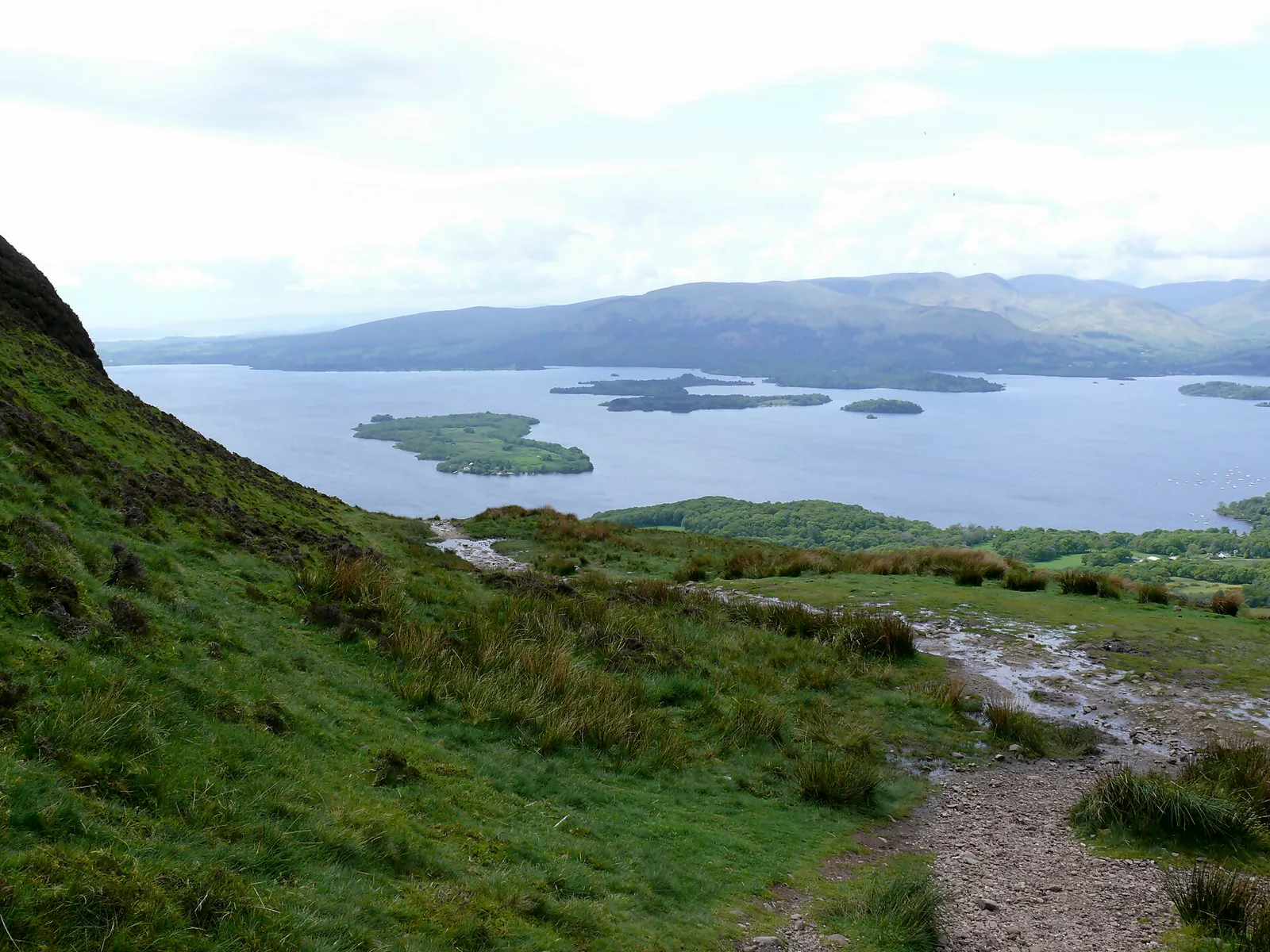
  • Wooded islands in Loch Lomond with hills beyond, seen from a grassy hillside above the east shore.
    • Stirlingshire
    • Loch Lomond
    • Parish of Buchanan

    Buchanan

    Na Cananaich

    Motto Clarior hinc honos

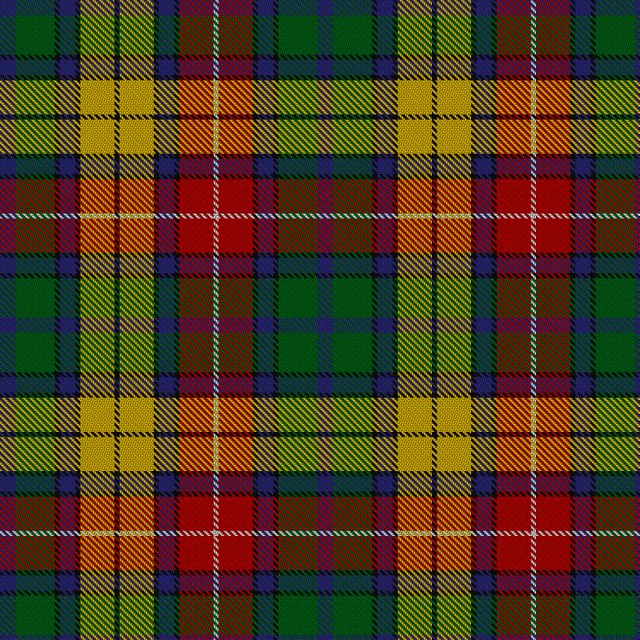
    A clan of Stirlingshire and the east shore of Loch Lomond. The first documented Buchanan holding is the island of Clairinch, granted in 1225, and the Irish-king origin story is rejected by the clan society itself. The chiefship lapsed in 1681 and the Lord Lyon confirmed a chief in August 2018. The register treats Buchanan - 1850 as the clan tartan.

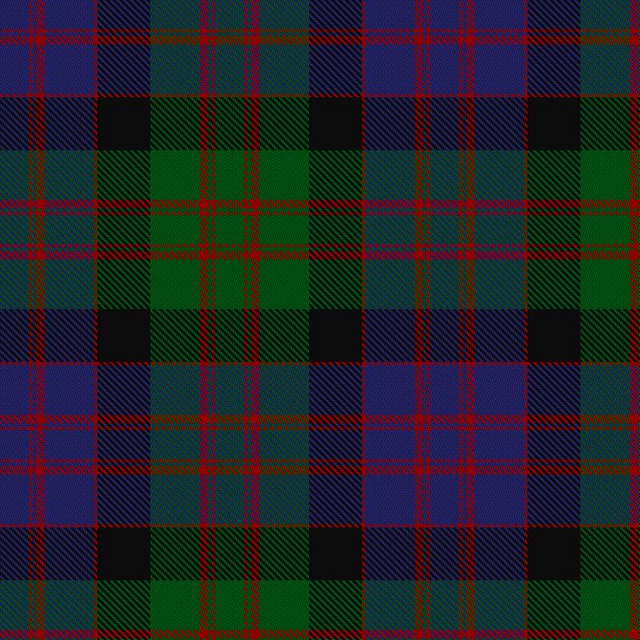
    • The Buchanan sett as rendered by the Scottish Register of Tartans from the registered threadcount.

    1 linked tartan · 1 surname · 12 recorded septs

    Evidence level CPhoto: Ad Meskens, CC BY-SA 3.0

  • No photograph is held for this record.

    • Lochaber

    Cameron

    Na Camshronaich

    Motto Aonaibh Ri Chèile

    A Lochaber clan whose chiefs are styled Lochiel and whose seat is Achnacarry. The origin of the chiefly family is uncertain, and the clan's long feud with the Mackintoshes of Clan Chattan runs through its history. The Clan Cameron Association gives the chief as Donald Cameron of Lochiel and numbers him XXVII, while Wikipedia calls the present chief the 28th.

    0 linked tartans · 0 surnames · 7 recorded septs

    Evidence level B

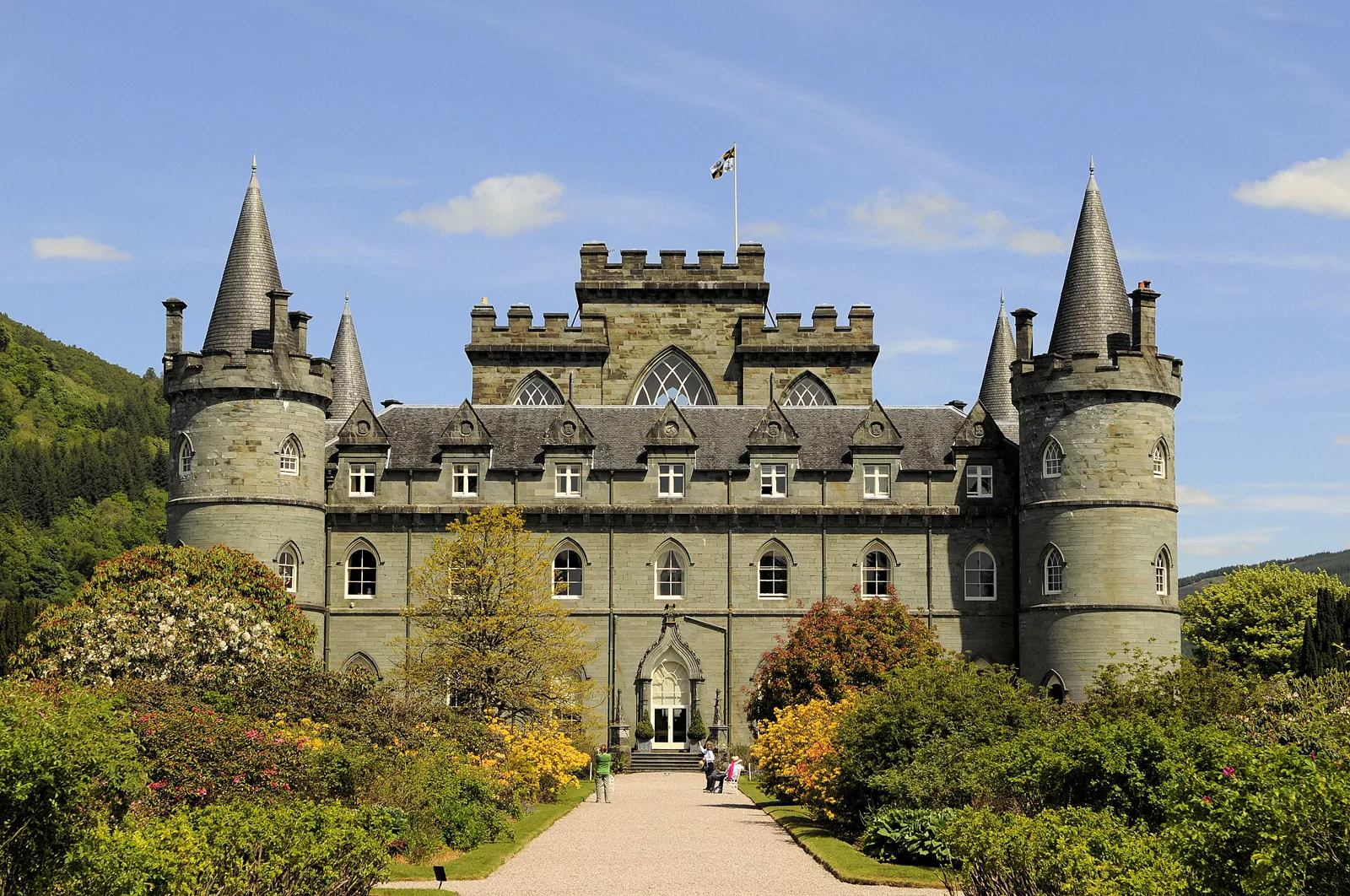
  • Inveraray Castle, a grey stone castle with four round corner towers with conical roofs, seen along a path through garden shrubs under a blue sky.
    • Argyll

    Campbell

    Caimbeul

    Motto Ne obliviscaris

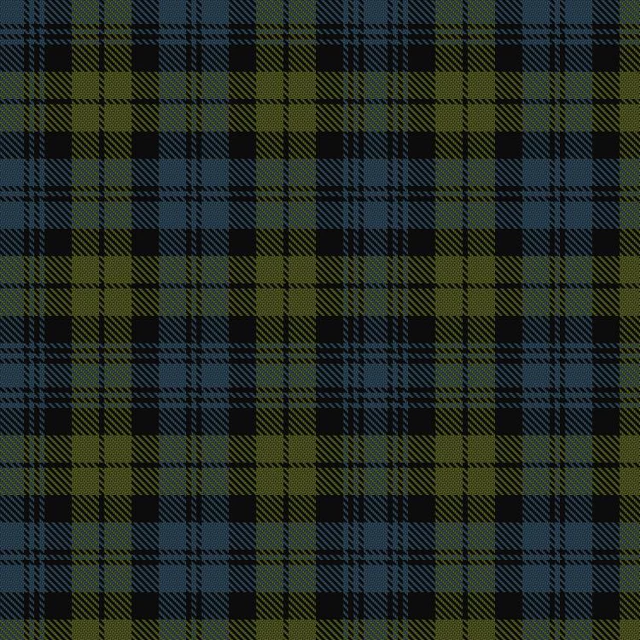
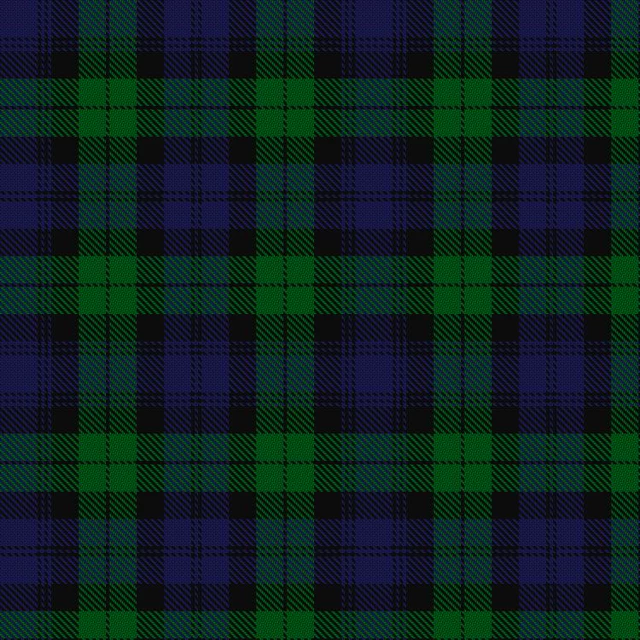
    A clan of Argyll whose chief is the Duke of Argyll, with the principal seat at Inveraray Castle on Loch Fyne. The chief's Gaelic style is Mac Cailein Mòr, from Cailean Mòr (Colin the Great), killed in the 1290s. The Campbell tartan is the Black Watch sett in lighter shades, but the Black Watch sett itself is shared with other clans and its origin is not credited to the Campbells.

    • The Campbell sett as rendered by the Scottish Register of Tartans from the registered threadcount.
    • The Black Watch sett as rendered by the Scottish Register of Tartans from the registered threadcount.

    2 linked tartans · 1 surname

    Evidence level CPhoto: Son of Groucho from Scotland, CC BY 2.0

  • No photograph is held for this record.

    • Lanarkshire
    • Renfrewshire
    • Ayrshire

    Crawford

    Motto Tutum te robore reddam

    A Lowland clan of Lanarkshire, Renfrewshire and Ayrshire named after the barony of Crawford in Lanarkshire. It no longer has a chief: Wikipedia, summarising a standard clan encyclopedia, calls it an armigerous clan, and says the last chief of the Auchinames line moved to Canada in 1904. The family of Craufurdland in Ayrshire is a senior cadet branch that still holds its castle, and the first record of a Crawford tartan is in the Vestiarium Scoticum of 1842.

    0 linked tartans · 1 surname

    Evidence level D

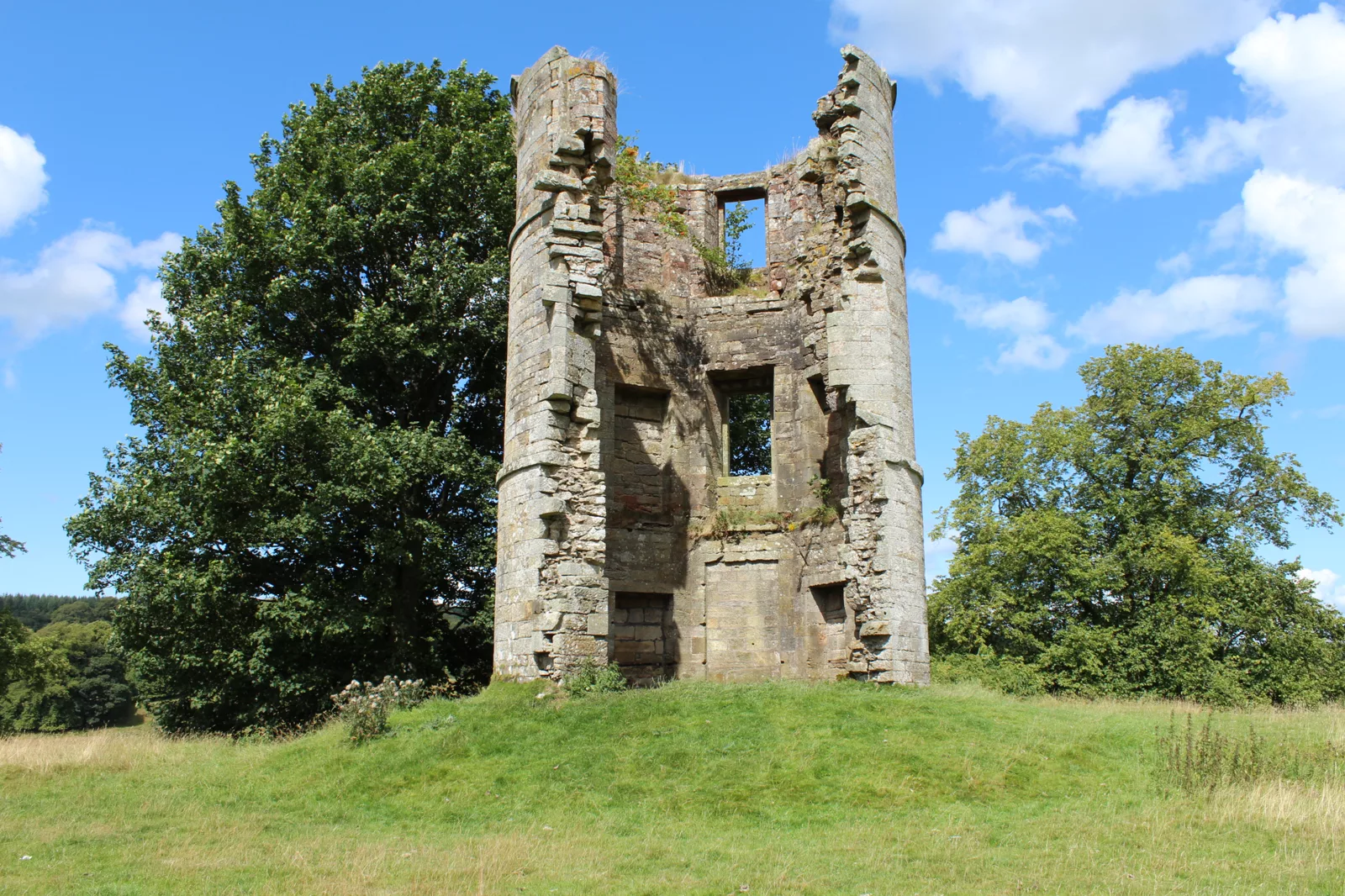
  • The remains of a round-cornered stone tower on a grassy mound, with trees on either side and a blue sky behind.
    • Lanarkshire
    • Douglasdale
    • Borders

    Douglas

    Dùbhghlas

    Motto Jamais arrière

    A Lowland family named for Douglasdale in Lanarkshire, which produced the Black Douglas Earls of Douglas, ended in 1455, and the Red Douglas Earls of Angus, who outlasted them. Secondary sources say the name has no chief recognised by the Lord Lyon, so the register's accepted Douglas tartan, a Wilsons of Bannockburn sett of 1819, rests on custom rather than on a chief's approval.

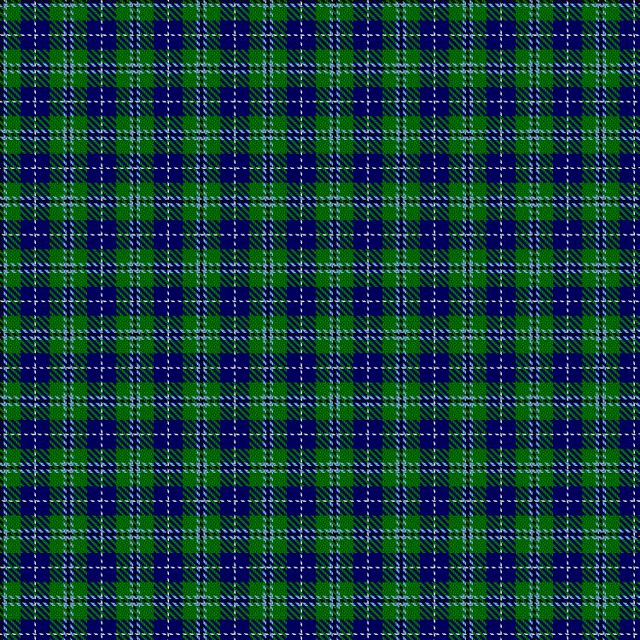
    • The Douglas sett as rendered by the Scottish Register of Tartans from the registered threadcount.
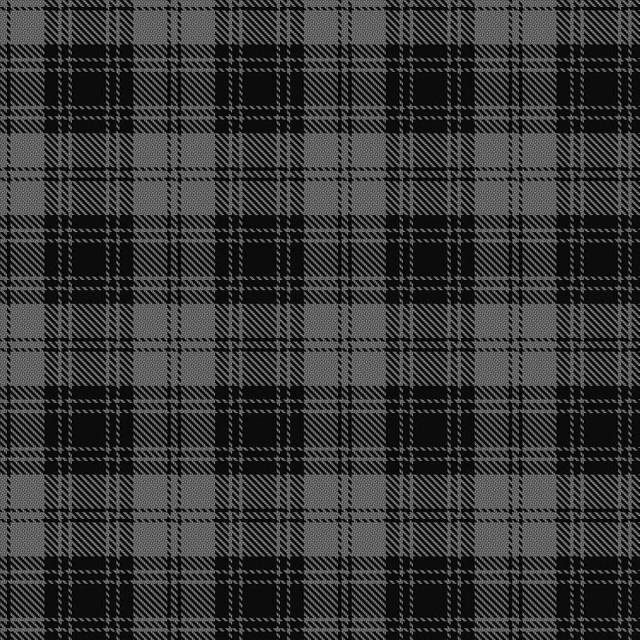
    • The Douglas, Grey sett as rendered by the Scottish Register of Tartans from the registered threadcount.

    2 linked tartans · 1 surname

    Evidence level DPhoto: Billy McCrorie, CC BY-SA 2.0

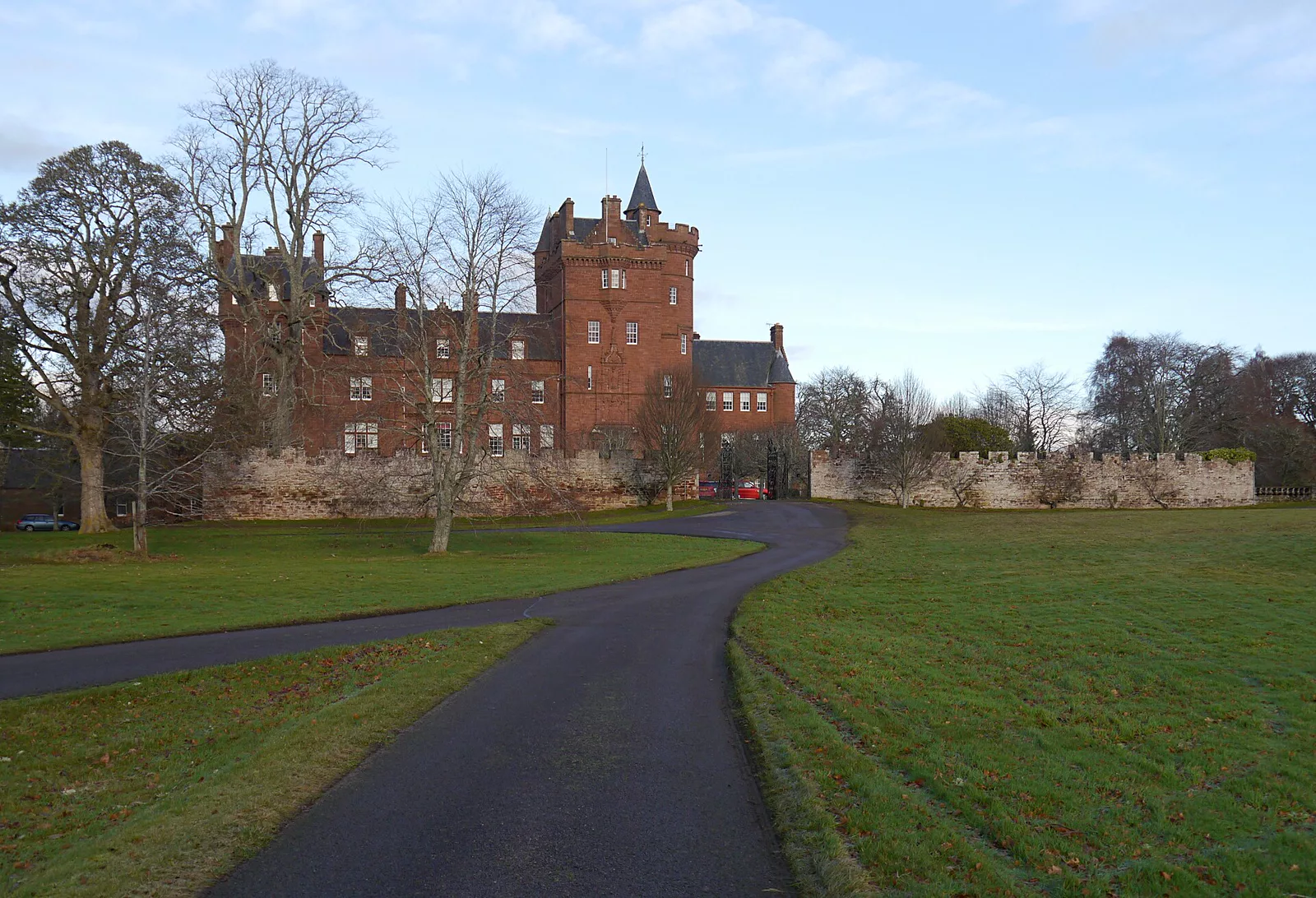
  • Beaufort Castle, a red sandstone Victorian castle with a corner tower and a crenellated wall, seen across parkland.
    • Beauly
    • Aird
    • Strathglass
    • Stratherrick

    Fraser

    Motto Je suis prest

    A Highland clan of Beauly and the Aird west of Inverness, whose chiefs hold the title Lord Lovat. The Fraser name is French in origin, and the clan society treats the Aberdeenshire Frasers of Philorth, the senior Lowland line, as a separate family. The Fraser company was one of the independent Highland companies of 1725, and the register dates the Fraser of Lovat tartan only to 1893.

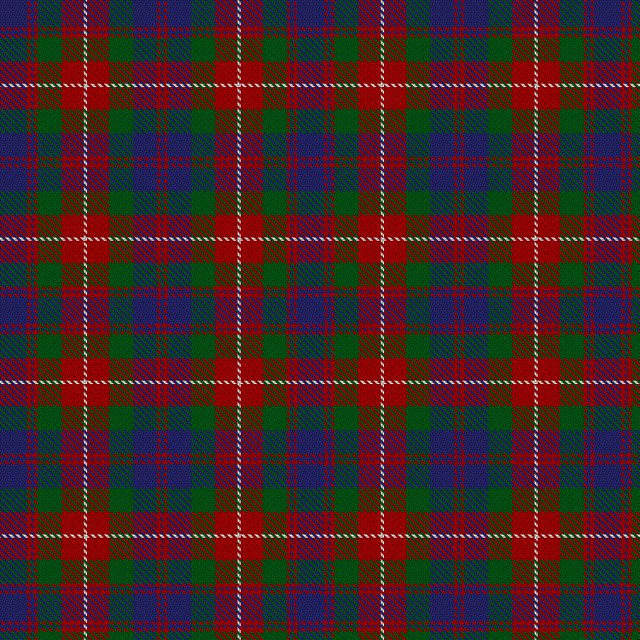
    • The Fraser sett as rendered by the Scottish Register of Tartans from the registered threadcount.

    1 linked tartan · 1 surname

    Evidence level CPhoto: Craig Wallace, CC BY-SA 2.0

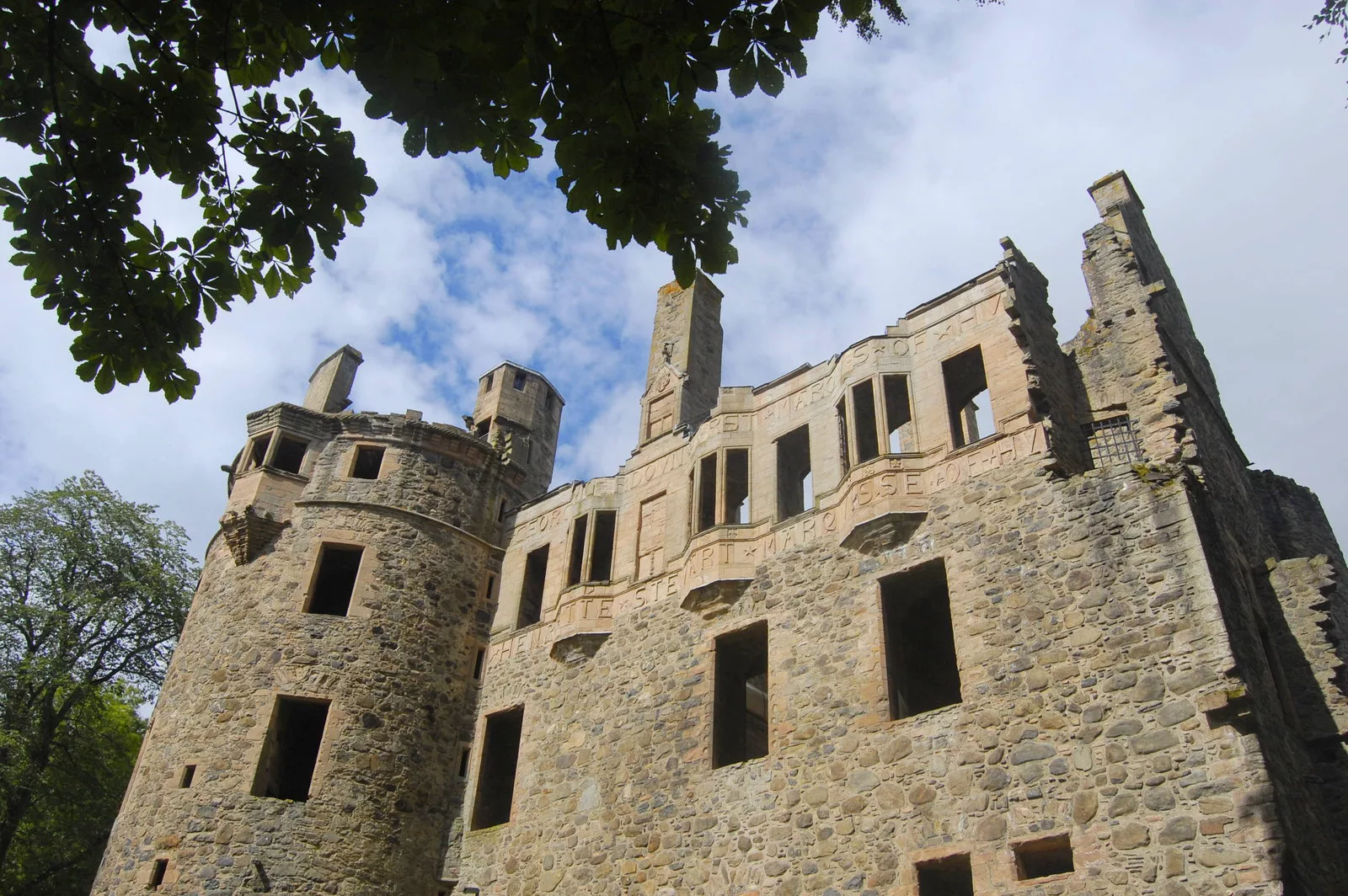
  • The roofless stone ruin of Huntly Castle seen from below, with a round tower at left and carved lettering along the upper wall.
    • Aberdeenshire
    • North-east Scotland

    Gordon

    Na Gòrdanaich

    Motto Bydand

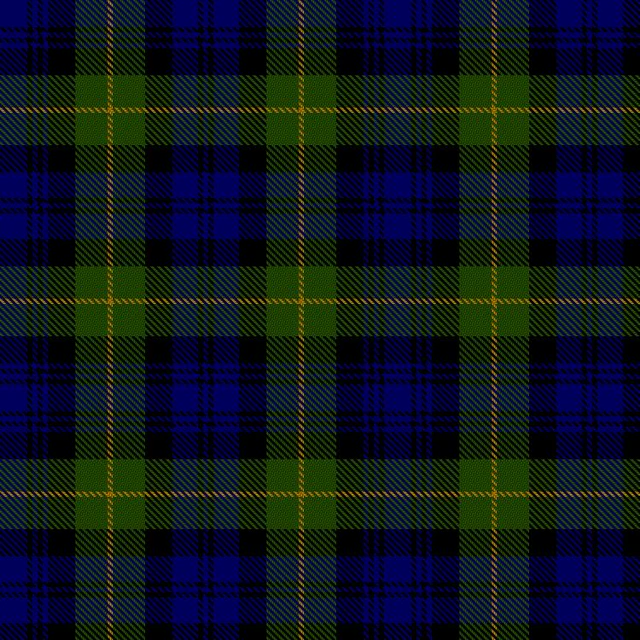
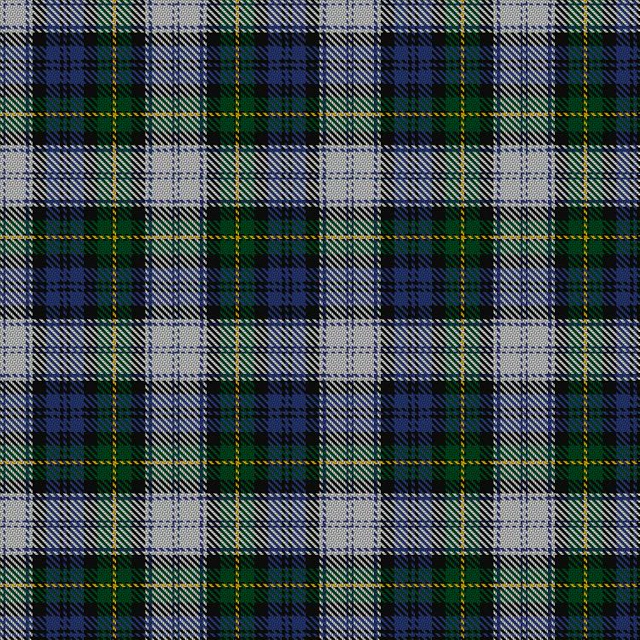
    A clan of Aberdeenshire and the north-east, whose chief is the Marquess of Huntly. The family took its name from the barony of Gordon in Berwickshire and moved north when Robert the Bruce granted Strathbogie, later Huntly, to Sir Adam Gordon. The Gordon tartan is registered as a military tartan designed for the 92nd (Gordon) Highlanders in 1794 and later adopted by the clan.

    • The Gordon sett as rendered by the Scottish Register of Tartans from the registered threadcount.
    • The Gordon Dress (Original) sett as rendered by the Scottish Register of Tartans from the registered threadcount.

    2 linked tartans · 1 surname

    Evidence level CPhoto: Bill Harrison, CC BY-SA 2.0

  • No photograph is held for this record.

    • Strathspey
    • Stratherrick

    Grant

    Clann Grannd

    Motto Stand Fast

    A Strathspey clan whose chiefs were the Lairds of Freuchie and later Earls of Seafield and Lords Strathspey. The clan society says the origins are still discussed and sets out three theories, Norse, Pictish and Anglo-Norman. Most of the clan supported the government in 1715 and 1745, while the Grants of Glenmoriston were Jacobites, and Grants fought on both sides at Culloden.

    0 linked tartans · 0 surnames · 1 recorded sept

    Evidence level B

  • No photograph is held for this record.

    • Caithness
    • Sutherland

    Gunn

    Na Guinnich

    Motto Aut pax aut bellum

    A clan of Caithness and Sutherland whose society traces the name to a Norse Gunni and the Jarls of Orkney. It went without a recognised chief for more than 200 years until a family convention in Orkney in 2015 led the Lord Lyon to recognise Iain Gunn of Banniskirk on 25 September 2015. His son John became chief in October 2024. The origin story is the clan's own tradition, and the sources read disagree on some of its detail.

    0 linked tartans · 1 surname

    Evidence level B

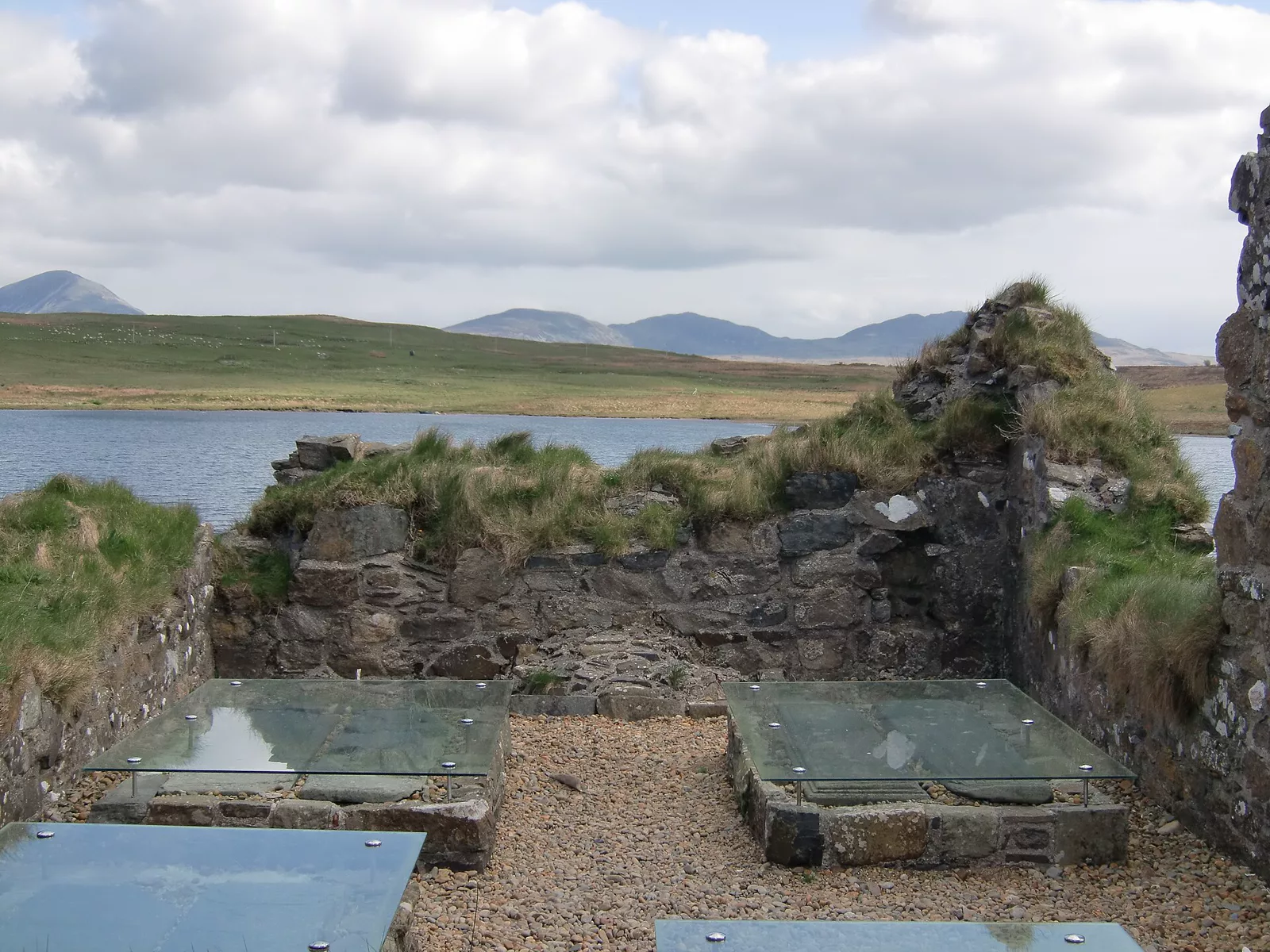
  • Grass-covered ruins on Eilean Mòr in Loch Finlaggan, with low hills on the horizon.
    • Hebrides
    • West Highlands

    MacDonald

    Clann Dòmhnaill

    Motto Per mare per terras

    A west Highland and Hebridean clan whose chiefs were Lords of the Isles until the forfeiture of 1493. Clan Donald has several branches, each with its own chief, and in 1947 the Lord Lyon recognised the Lord Macdonald as High Chief of Clan Donald. The Scottish Register of Tartans records at least 27 MacDonald setts across nine branches, so the name does not point to a single tartan.

    • The MacDonald sett as rendered by the Scottish Register of Tartans from the registered threadcount.

    1 linked tartan · 1 surname

    Evidence level CPhoto: W. L. Tarbert, CC BY-SA 3.0

  • No photograph is held for this record.

    • Highlands
    • Argyll
    • Perthshire

    MacGregor

    Motto Royal is my race

    A Highland clan of Glen Orchy, Glenlochy and Glenstrae in Argyll and Perthshire, best known through Rob Roy MacGregor. Wikipedia gives the motto as 'Royal is my race', records a long struggle with the Campbells, and describes the 1603 edict that abolished the name MacGregor on pain of death, a ban repealed in 1661, reimposed in 1693 and lifted for good in 1784. Its origin from an early royal line is a tradition the article says has little evidence. No MacGregor tartan is recorded here.

    0 linked tartans · 0 surnames

    Evidence level D

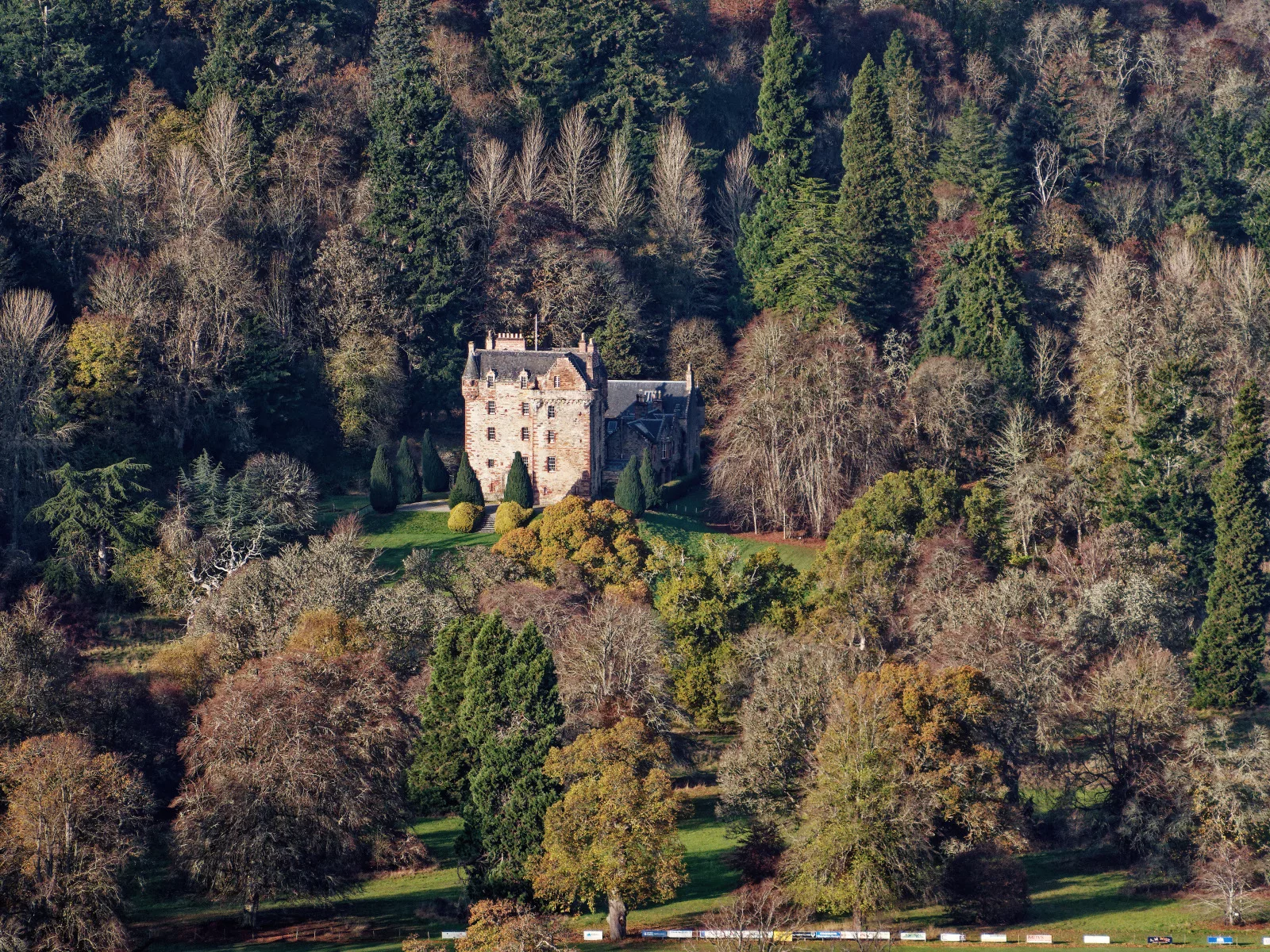
  • Castle Leod, a tall pink-stone tower house with a slate roof, seen across a lawn with clipped yews and woodland behind.
    • Kintail
    • Ross-shire
    • Wester Ross

    Mackenzie

    Clann Choinnich

    Motto Luceo non uro

    A Highland clan of Kintail and Ross-shire whose chiefs became Earls of Seaforth and Earls of Cromartie. The chiefship was effectively dormant from 1907 until the Lord Lyon recognised the Earl of Cromartie in 1980, and the seat is Castle Leod near Strathpeffer. The clan tartan is dated 1778 in the Scottish Register of Tartans and shares its pattern with the MacLeod tartans.

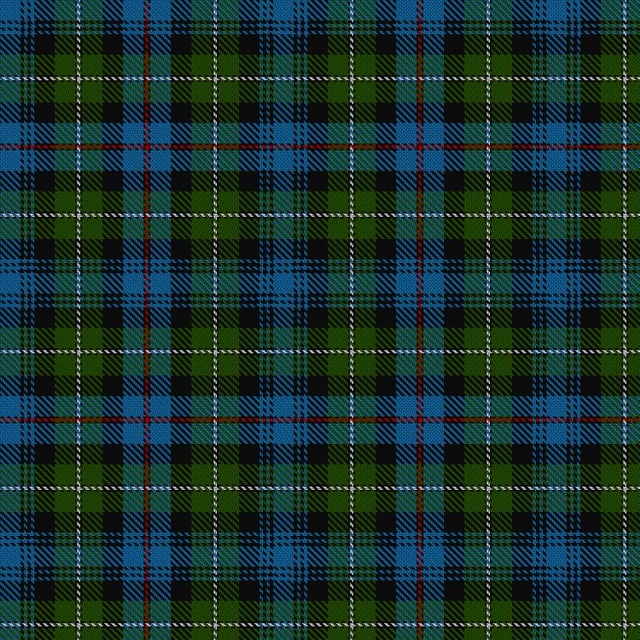
    • The Mackenzie sett as rendered by the Scottish Register of Tartans from the registered threadcount.

    1 linked tartan · 1 surname

    Evidence level CPhoto: Julian Paren, CC BY-SA 2.0

  • No photograph is held for this record.

    • Highlands
    • Inner Hebrides
    • Mull

    Maclean

    Clann 'IllEathain

    Motto Virtue mine honour

    A Highland clan of the Inner Hebrides whose chiefs sat at Duart Castle on Mull. Wikipedia derives the name from MacGilleEathain, son of the servant of Saint John, names Gillean of the Battle Axe as founder, and says the Macleans of Duart married into the Lords of the Isles and held Mull, Tiree, Islay and Jura by the end of the 15th century. It records Hector of the Battles at Harlaw in 1411, the feud with the MacDonalds of Islay and a baronetcy created in 1631. The crest badge shows a tower embattled with the motto 'Virtue mine honour'. No Maclean tartan is recorded here.

    0 linked tartans · 0 surnames

    Evidence level D

  • No photograph is held for this record.

    • Skye
    • Harris
    • Lewis

    MacLeod

    Clann MhicLeòid

    Motto Hold fast

    A Hebridean clan whose chiefs have held Dunvegan Castle on Skye for centuries. The clan takes its name from Leod, a Norse-Gael of the thirteenth century, and divides into the Dunvegan and Harris line (Siol Tormod) and the Lewis line (Siol Torquil). The clan society treats only one of Leod's sons as certain, so the early generations are tradition.

    0 linked tartans · 0 surnames · 16 recorded septs

    Evidence level B

  • No photograph is held for this record.

    • Badenoch

    Macpherson

    Clann Mac a' Phearsain

    Motto Touch not the cat but a glove

    A Badenoch clan in the Clan Chattan confederation, whose chief is styled Cluny. Its museum at Newtonmore and the association say the chief is the 28th, James Brodie Macpherson of Cluny, who succeeded his father in 2021. The clan's own account is clear that it has no septs, only families with other surnames approved by the chief, and that its early genealogy is partly supposition.

    0 linked tartans · 0 surnames · 8 recorded septs

    Evidence level B

  • No photograph is held for this record.

    • Highlands
    • Easter Ross

    Munro

    Clann an Rothaich

    Motto Dread God

    A Highland clan of Easter Ross, with Foulis Castle as the chiefs' seat and the motto 'Dread God'. Its traditional Irish founder cannot be shown to have lived when the legend says, and the first chief documented by a contemporary record is Robert de Munro, who died in 1369. A Munro company was among the Independent Highland Companies of 1725 that became the Black Watch. The Clan Munro Association, founded in 1937, names Hector William Munro of Foulis as its Chief; no Munro tartan is recorded here.

    0 linked tartans · 0 surnames · 15 recorded septs

    Evidence level C
  • No photograph is held for this record.

    • Highlands
    • Perthshire

    Murray

    Motto Furth, Fortune, and Fill the Fetters

    A clan whose chiefs hold the title Duke of Atholl, with Blair Castle in Perthshire as the seat. Wikipedia traces the name to the Morays of Bothwell, descendants of the 12th-century Freskin, and says the Murrays of Tullibardine secured the chiefship in the 16th century, backed by bonds signed in 1586 and 1598. It records the Atholl title sequence from earl in 1629 to duke in 1703, Murray regiments on both sides in 1745, and the Atholl Highlanders, described as Europe's only legal private army. No Murray tartan is recorded here.

    0 linked tartans · 0 surnames

    Evidence level D

  • No photograph is held for this record.

    • Highlands
    • Perthshire
    • Atholl

    Robertson

    Clann Dhonnchaidh

    Motto Virtutis gloria merces

    A Perthshire clan that Wikipedia says is correctly called Clan Donnachaidh, the children of Duncan, with Robertson, Reid and Duncan as principal surnames. It gives two theories of origin, from a son of Angus Macdonald of the Isles or from the Celtic Earls of Atholl, and ties the name Robertson to Robert Riabhach, the fourth chief, who captured the murderers of James I and was granted the crest of a hand upholding a crown in 1451. The chiefs held the Barony of Struan. No Robertson tartan is recorded here.

    0 linked tartans · 0 surnames

    Evidence level D

  • No photograph is held for this record.

    • Ross-shire

    Ross

    Clann Anndrais

    Motto Spem Successus Alit

    A clan of Easter Ross descended, in its society's account, from Ferquhard MacIntagart, 'son of the priest', made Earl of Ross about 1226, with its chiefly seat at Balnagown. The earldom and the chiefship later separated, and the chiefship passed to the Shandwick line. The society's history page names a chief who, according to Wikipedia, died in 2024, so the two sources read do not agree on who is chief.

    0 linked tartans · 0 surnames · 5 recorded septs

    Evidence level B

  • No photograph is held for this record.

    • Highlands
    • Caithness
    • Orkney
    • Lothian

    Sinclair

    Clann na Ceàrda

    Motto Commit thy work to God

    A clan of Caithness, Orkney and the Lothians whose chiefs were the Barons of Roslin and later the Earls of Orkney and Caithness. Wikipedia says the family probably came from Saint-Clair in Normandy, that William Sinclair, 1st Earl of Caithness, founded Rosslyn Chapel in the 15th century and divided the family lands between his sons, and that the chief today is Malcolm Sinclair, 20th Earl of Caithness. The chief's motto is given as 'Commit thy work to God'. The claim that Henry Sinclair reached America in 1398 is described there as a recent myth. No Sinclair tartan is recorded here.

    0 linked tartans · 0 surnames

    Evidence level D

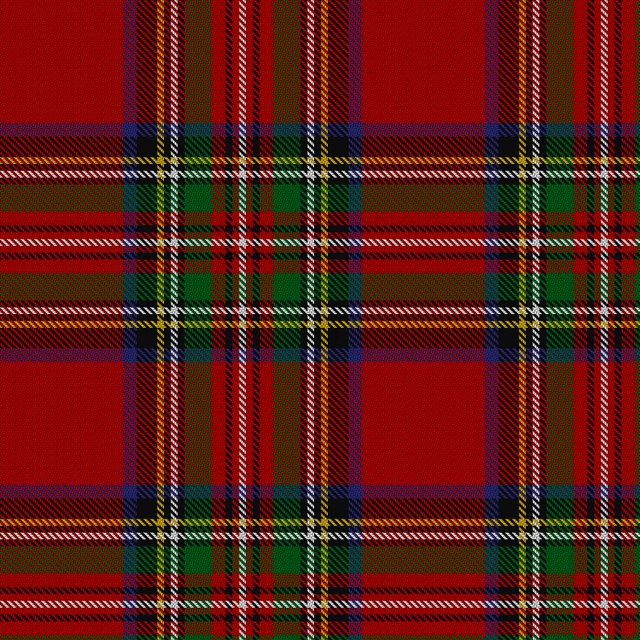
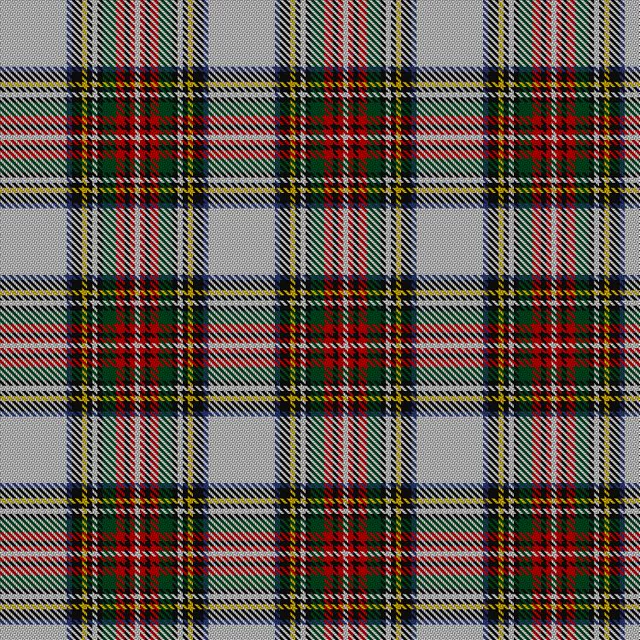
  • The Royal Stewart sett as rendered by the Scottish Register of Tartans from the registered threadcount.The Stewart Dress sett as rendered by the Scottish Register of Tartans from the registered threadcount.

    No photograph is held for this record. Shown: register swatches of its linked tartans.

    • Renfrewshire
    • Teviotdale
    • Lauderdale

    Stewart

    Stiùbhart

    Motto Virescit vulnere virtus

    A family descended from the hereditary High Stewards of Scotland, one branch of which became the royal House of Stewart in 1371. The royal house, the Stewart clan and the Royal Stewart tartan are three separate things: secondary sources report that the name has no chief recognised by the Lord Lyon, and the registry says Royal Stewart is the personal tartan of the monarch.

    2 linked tartans · 1 surname

    Evidence level D

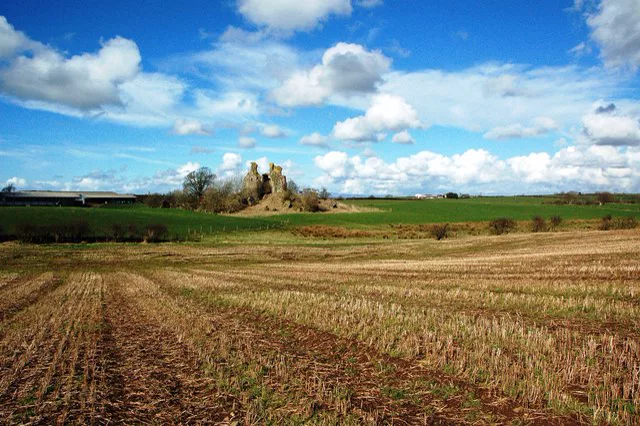
  • A small ruined stone tower on a low mound beside a farm, seen across a ploughed field under a blue sky.
    • Ayrshire
    • Renfrewshire

    Wallace

    Uallas

    Motto Pro libertate

    A clan of Ayrshire and Renfrewshire with a chief recognised by the Lord Lyon and a society chartered in Texas in 1966. The family seat at Craigie Castle passed to the Wallaces by marriage about 1371. The family's link to Sir William Wallace is a descent claim from family sources, and no tartan can be tied to him: the register dates the Wallace tartan to 1800.

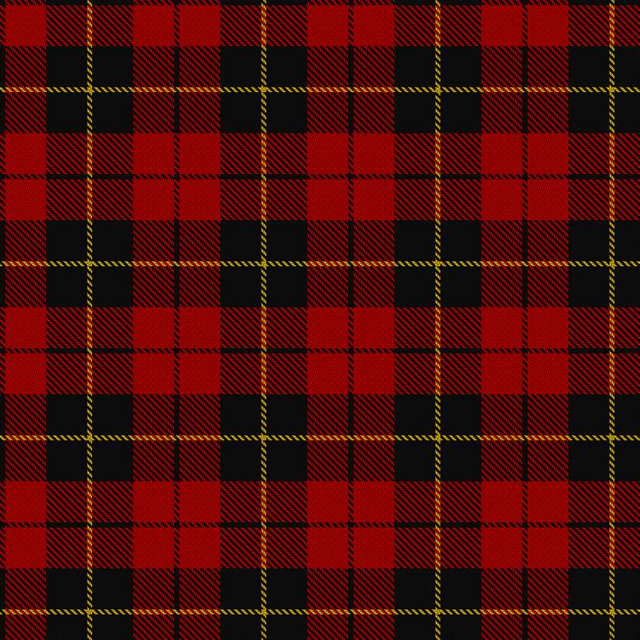
    • The Wallace sett as rendered by the Scottish Register of Tartans from the registered threadcount.

    1 linked tartan · 1 surname

    Evidence level CPhoto: Mary and Angus Hogg, CC BY-SA 2.0

The photographs show places the sources connect with each clan, not the clans themselves. Full credits are on each clan page and on the credits page.

By region

Where the records place each clan

Grouped by the region names each record holds. A clan whose record names places in two areas is listed under both, and the grouping says nothing about where a clan's members lived or live.

  1. Highlands

    7 clans

    Named in the records: Argyll, Beauly, Aird, Strathglass, Stratherrick, West Highlands, Kintail, Ross-shire, Wester Ross

  2. Islands

    1 clan

    Named in the records: Hebrides

  3. North-east

    1 clan

    Named in the records: Aberdeenshire, North-east Scotland

  4. Central Scotland

    1 clan

    Named in the records: Stirlingshire, Loch Lomond, Parish of Buchanan

  5. Lowlands and Borders

    4 clans

    Named in the records: Lanarkshire, Renfrewshire, Ayrshire, Douglasdale, Borders, Teviotdale, Lauderdale

  6. Elsewhere in the records

    12 clans

    Named in the records: Scottish Borders, Dumfriesshire, Liddesdale, Lochaber, Strathspey, Caithness, Sutherland, Highlands, Perthshire, Inner Hebrides, Mull, Skye, Harris, Lewis, Badenoch, Easter Ross, Atholl, Orkney, Lothian

How to read these pages

Clan, surname and tartan are three separate records

  1. A clan

    A clan page sets out what named sources say about the clan: its region, its seat, and the notes each source supports.

  2. A surname

    A surname can be linked to a clan, but the link is a claim about the history of the name. It is not a statement about any one person's ancestry.

  3. A tartan

    A clan and a tartan are linked by a sourced claim, not by the name alone. Open a tartan to see the evidence for the link.

Sharing a surname with a clan does not show descent from it or membership of it. Sept lists differ between clan societies and older sources, so each link here is its own claim, with its sources and a confidence label.