Tartan fabric
Wool vs acrylic tartan: what the evidence says
Worsted wool is the traditional kilt cloth and the one with the best documented properties. Acrylic and polyviscose are cheaper and lighter, and the claims made for them rest mostly on sellers.
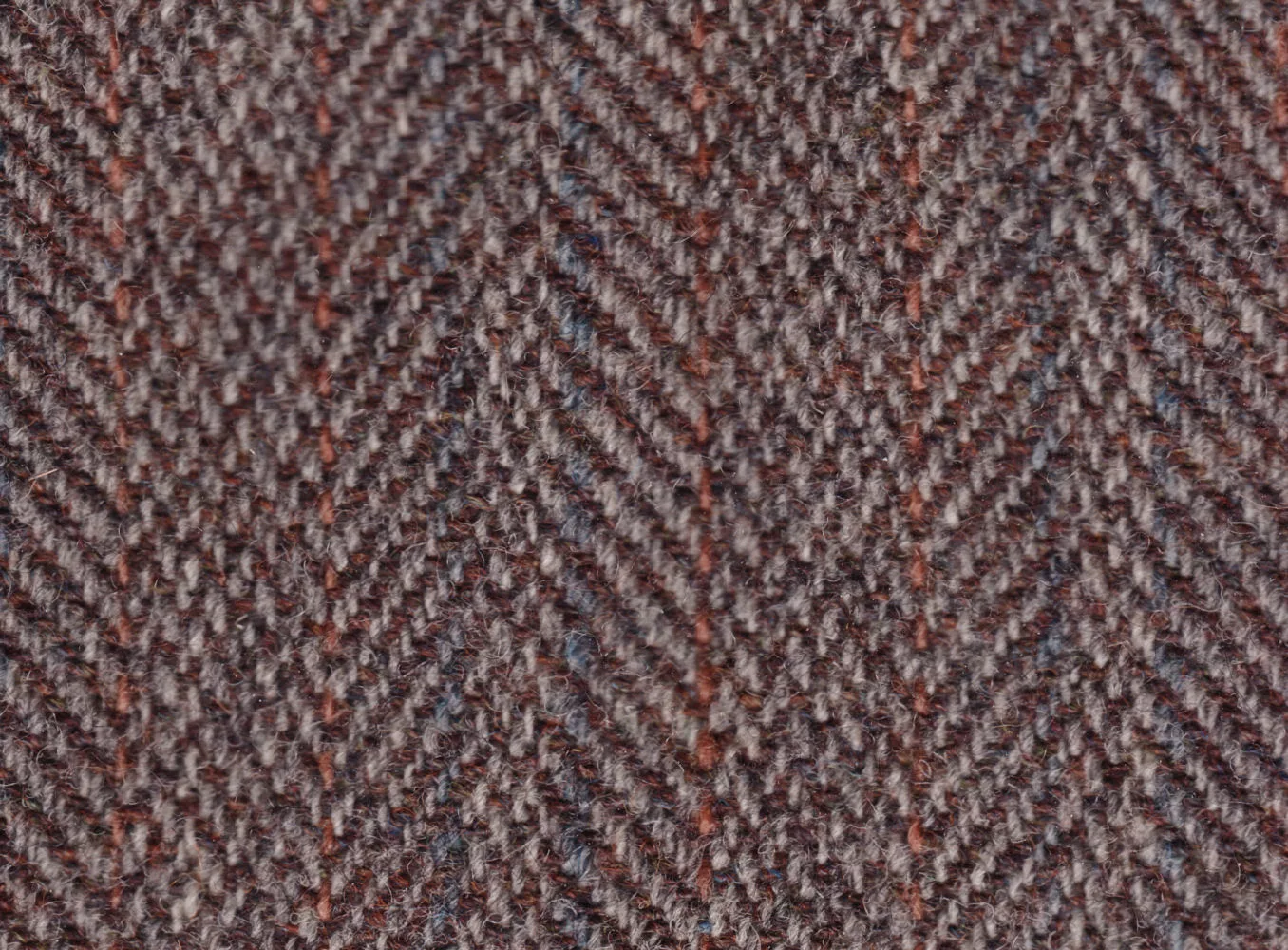

For a kilt that has to hold pleats for years, worsted wool is the safer choice, and it is the cloth one Scottish mill lists as its kilt fabric. Acrylic and polyviscose are lighter and cheaper, and they suit occasional or casual wear, costume, and decoration. That is the practical outline. The detail below separates what the fibre sources document from what sellers say, because the two are not equally reliable and the pleat claims in particular have no independent test behind them.
Weight, fibre and width are three separate choices on any cloth listing; the fabric hub explains the terms and types of tartan cloth covers weaves and finishes. This page compares fibres only.
The three cloths
Worsted wool. One Scottish mill describes its kilt fabric as 100% pure new wool, in mediumweight and heavyweight (House of Edgar). Wikipedia states that the typical kilt at Highland games is twill-woven worsted wool, and gives the common weights as 13 oz and 16 oz per yard, with light worsted at about 10 to 11 oz and heavy regimental cloth at roughly 18 to 22 oz (Wikipedia: Kilt). A working kiltmaker advises that for wool a weight of 13 to 16 oz is generally suitable and that he wants to see a customer’s cloth before agreeing to use it (Paul Henry Kilts).
Acrylic. A synthetic made from acrylonitrile, at least 85% by weight with a minor copolymer added so that it takes dye (textileengineering.net). Sellers sell it as a lower-cost, wool-like cloth. One seller describes “acrylic wool” as a synthetic made to look and feel like wool, lightweight and much lighter than pure wool, and does not state any blend ratio (The Utility Kilt Company).
Polyviscose. A blend of polyester and viscose made to look like wool tartan. The same kind of retailer says it holds colour, resists wrinkles, needs less care than wool, keeps pleats reasonably well and is lighter than wool, but does not reproduce wool’s weight or feel (utkilts.com). No blend ratio is given.
Side by side
| Point | Worsted wool | Acrylic | Polyviscose |
|---|---|---|---|
| Typical kilt weight | 13 to 16 oz per yard is the usual range given | Described as lightweight by sellers; no ounce figure found | Described as lighter than wool; no ounce figure found |
| Moisture | Absorbs and holds moisture without feeling wet | Regain of 0.2 to 0.6% | Polyester 0.2 to 0.5%; viscose is very absorbent |
| Behaviour in flame | LOI 25 to 26; chars and self-extinguishes | Flammable; melts and drips; may self-extinguish | Polyester melts at 249 to 288 C; no blend data found |
| Pleats and creases | Resilient, returns to shape; steam-pressed | Sellers disagree; no test found | Polyester can be heat-set; viscose creases |
| Care | Steam pressing; moth precautions; check label | Sellers say hand or delicate cold wash | Sellers say low maintenance |
| Strength of evidence | Industry and trade sources, consistent | Fibre data good; kilt-cloth claims are marketing | Fibre data good; blend claims are marketing |
Weight and hang
A kilt depends on cloth that is heavy enough to swing and hold a pleat edge. The practitioner sources on weight all concern wool: the Crossing Tartans notes call 16 oz the traditionalist’s choice for durability and 13 oz respectable for a kilt, and Wikipedia gives 13 and 16 oz as the most common weights. Nothing found states a comparable ounce range for acrylic or polyviscose kilt cloth. Sellers call both lighter, and one wool seller says claims about acrylic weight are false (Keltoi Gaelic Clothing). That is a competitor’s opinion, so the safe reading is only that the weight is not documented. Ask for the weight in ounces per yard, and the width it refers to, before comparing any two cloths.
Pleats
Pleat holding is the point on which sellers contradict each other. The retailer blog on acrylic wool says it retains pleats effectively and keeps sharp folds after repeated washes. The wool-side sources say wool recovers its shape because of its crimp (Woolmark) and that worsted returns quickly to its natural shape.
Fibre data gives a partial, indirect explanation. Polyester is thermoplastic and the properties table from a yarn trader says it retains heat-set pleats and creases (Swicofil). Viscose, in the same trader’s description, is not resilient and wrinkles. From that you could infer that a polyviscose cloth holds a pleat better than viscose alone but less well than the polyester fraction would suggest, and that the result depends on the blend. That is an inference from fibre properties, not a measured result for tartan cloth, and no independent comparison of pleat retention in kilts was found.
Colour
Acrylic takes dye easily, and the trade source says it has good UV resistance and resists fading (textileengineering.net). A seller who writes about kilts claims that acrylics tend to exaggerate brighter dyes and that wool takes dye differently, giving more muted tones (The Tartan Kilt). The site discloses affiliate links, so treat that as one commercial view. The practical consequence is the one the fabric hub already gives: the same tartan is woven in several colour ranges, and a swatch is a better guide than a name.
Fire
This is the one area where independent fibre data exists for wool. A textile-school summary gives wool a limiting oxygen index of 25 to 26 against 18 to 21 for cotton, an ignition range of 570 to 600 C, and says wool chars and tends to self-extinguish rather than melt and drip (Textile School). For acrylic, the trade source says it is flammable, melts and drips when heated, and may self-extinguish when the heat is removed. It gives a melting range of 160 to 250 C (textileengineering.net). The wool kilt seller quoted above calls acrylic kilt cloth extremely flammable.
None of this is a garment test. No source found compares the burning behaviour of finished wool, acrylic and polyviscose tartan, and no source checked here says which safety standards, if any, apply to kilts. The honest summary is that wool’s behaviour is better documented and more favourable, and that melting synthetics are a reason to keep acrylic and polyviscose away from candles, heaters and open fire.
Moisture, pilling and wear
Wool has hygroscopic fibres that absorb moisture, and Woolmark describes a hydrophobic outer layer with a hydrophilic core that gives natural stain resistance. Acrylic absorbs very little, with a regain of 0.2 to 0.6%, and polyester a similar 0.2 to 0.5% (Swicofil). Viscose is at the other extreme: the yarn trader calls it very absorbent, but says it loses a great deal of strength when wet, so it stretches and shrinks more than cotton (Swicofil). A polyviscose blend sits between these in theory, but the source does not give blend ratios, and the effect on a pleated kilt after rain or washing is not documented.
Pilling is a surface fault where fibre ends form small balls. The wool kilt seller says low-cost acrylic pills very easily. The affiliate blog says lower-grade acrylics pill quickly, especially on the front. The acrylic trade page used here does not mention pilling, so there is a claim without a fibre-level reference. It is plausible, and it is also what a seller of the competing product would say.
Care
Wool care advice is consistent across the sources. Woolmark says to press wool with steam and not to iron it when it is totally dry, to hang woven wool garments on shaped or padded hangers, and to make sure a garment is clean before packing it away, ideally with a moth repellent (Woolmark). A kilt retailer advises dabbing spills rather than rubbing, pressing on the reverse with steam, airing the kilt and hanging it with a hanger that supports the whole top, and says never to iron the right side because it can leave shiny marks (Kilt Society). The same page also lists a separate washable kilt with its own 30 degree instructions, so the care label on the actual cloth governs, not the category.
For synthetics the care claims come from sellers: hand wash or a delicate cold cycle, quick drying, little ironing. Acrylic melts at the temperatures given above, so a hot iron is a plausible risk for it, though no source read here gives an ironing limit for kilt cloth.
Reading the label
Labels settle part of the problem. Under Regulation (EU) No 1007/2011 as retained in UK law, fibre names on labels must come from the permitted list, and only a product made exclusively of one fibre may be labelled “100%”, “pure” or “all”. A small tolerance is allowed for extraneous fibres that are technically unavoidable, 2% by weight, or 5% for carded products (legislation.gov.uk). That covers sales in Great Britain and the sources read here do not say how it applies elsewhere.
It matters because of a disputed claim. One affiliate blog says that products sold as wool-acrylic blends contain no wool at all. That has not been verified, and it is a single author’s assertion. The sensible response is not to accept it or dismiss it but to ask for the stated percentages, and to treat “acrylic wool” as a trade term that may mean either an acrylic imitation or a blend. The seller quoted earlier uses it for a synthetic made to look like wool, not for a blend.
Which to choose
The yardage a pleated kilt uses is a separate cost, covered in how much fabric a kilt takes. The kilt types themselves, and which ones are normally made in wool, are in types of kilts. People who buy overseas will meet the word plaid for the same cloth, which tartan vs plaid explains.
Related guides
Sources & further reading
- What is the wool fibre?
- What is polyviscose? Fabric and kilt use explained
- Tartan fabric weights (Crossing Tartans project notes)
- Kilt
- Properties, Manufacturing and Uses of Acrylic Fibre
- Best Wool Grades for Fire-Resistant Textiles
- Caring for wool
- Polyester PET - Properties
- Viscose CV - Properties
- Worsted
- Regulation (EU) No 1007/2011 on textile fibre names and related labelling, Articles 5 and 7 (retained text)
- Acrylic Wool Tartan Kilts: Tradition Meets Modern Care
- Acrylic vs Wool - Kilt Selection Guide
- A Word of Warning (John Hart, December 2008)
- How to Care for Your Kilt
- Kilt Fabric (tartan fabrics category)
- Customer Supplied Fabric (Paul Henry Kilts)